


Dentures Greensboro
A Complete Smile Is Within Your Reach!

Millions of people throughout the U.S. are edentulous (missing all their teeth). If you are struggling with the consequences of tooth loss, you are far from alone! Our Greensboro dental practice wants to help. We offer several high-quality tooth replacement options, including dentures. Continue reading this page to discover how we can put a complete smile within your reach, or get in touch with us directly to set up a consultation.
Why Choose Next Door Dental for Dentures?
- Easy, Mess-Free Digital Impressions
- Implant & Traditional Dentures Available
- Highly Skilled Dentists & Support Team
Who's a Good Candidate for Dentures?
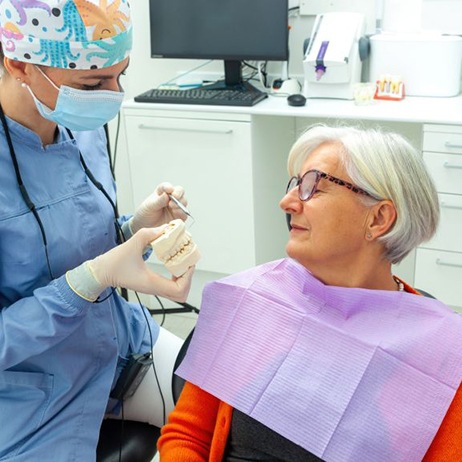
If you are struggling to smile confidently, chew properly, and enunciate clearly due to moderate to severe tooth loss, then we have good news: you may be a candidate for dentures! This tried-and-true solution has been used for decades, and advancements in dentistry and technology make each one more lifelike than ever before. If you are interested in learning more on the topic, just keep reading.
Read MoreEffects of Missing Teeth

Unfortunately, even just a few missing teeth can lead to several issues, including:
- Low Self-Esteem – Oftentimes, patients hesitate to smile confidently with noticeable gaps between their teeth or no teeth at all. This, in turn, can cause them to avoid social situations.
- Reduced Bite Strength – Tooth loss can make it difficult to eat well-balanced meals. In fact, many patients end up eating the same soft, bland foods on repeat.
- Trouble Enunciating Clearly – Since your tongue makes a series of distinct movements against the back of your teeth to form words, it’s difficult to enunciate clearly following tooth loss.
- Dental Drift – If there is a gap in your smile, then the teeth surrounding it can slowly drift out of position, negatively impacting the alignment of your bite in the process.
What Qualifies You for Dentures?
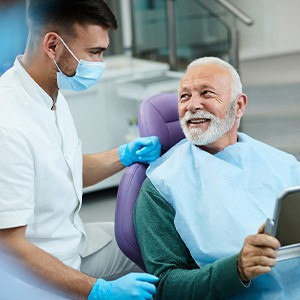
The best way to find out if you’re a good candidate for dentures is by scheduling a consultation with one of our dedicated dentists in Greensboro. During this visit, they will review your dental history, complete an oral exam, and learn about your day-to-day routine. Then, they can determine if dentures are a good fit for your circumstances. Fortunately, they are usually a great option for almost anyone who is struggling with the consequences of extensive tooth loss. Plus, if your mouth is not quite healthy enough to support a prosthetic, we may be able to design a treatment plan so that you can qualify for dentures in the future.
Alternative Tooth-Replacement Options
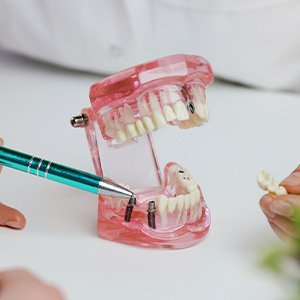
Fortunately, dentures aren’t the only way we can restore the appearance of your smile and the strength of your bite. So, if we decide together that it isn’t the best tooth-replacement solution for you, we can discuss the others that we offer, including:
- Dental Bridges – Traditional dental bridges can replace one missing tooth or up to four missing teeth consecutively. We can accomplish this by placing a dental crown on each of the teeth surrounding the gap. The prosthetic teeth will connect the two crowns, literally “bridging” the gap in your smile.
- Dental Implants – Largely considered the gold standard in tooth replacement, dental implants can replace one, a few, or an entire arch of missing teeth. They can also last for 30+ years with proper care. As a result, they often end up being a good choice for a patient’s smile and their wallet in the long run!
Types of Dentures

There are a few different types of dentures, each of which comes with its own unique advantages and disadvantages. During your consultation, we will recommend the one that we believe best fits your circumstances, goals, and preferences. Here is an overview of the three main categories of dentures:
Partial Dentures
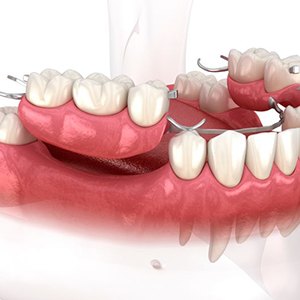
Partial dentures fit in around your remaining natural teeth. They do not necessarily have to replace teeth that are all adjacent to one another; they can fill in gaps at various places throughout a dental arch. Small clasps, usually made of metal or acrylic, help them to remain secure in the mouth during daily activities.
Full Dentures
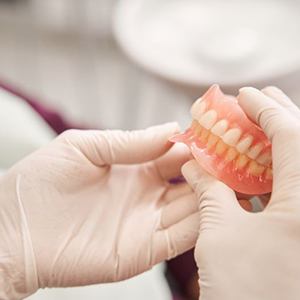
A full denture replaces all of the upper or lower teeth. Full dentures are usually made of acrylic or porcelain, and they are held in place by natural suction or a bit of adhesive. They are carefully designed for each patient with the goal of making them as comfortable, functional, and aesthetically pleasing as possible.
Implant Dentures
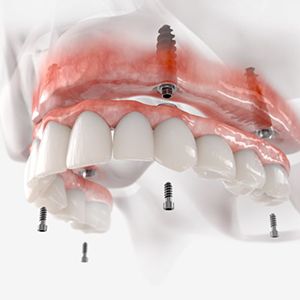
Instead of relying on suction or clasps to stay in place, implant dentures are anchored in the jawbone by prosthetic tooth roots, known as dental implants. Therefore, implant dentures are incredibly strong and sturdy. They also last longer than their traditional counterparts. As a caring dentist in Greensboro, we often recommend implant-supported tooth replacement for anyone who qualifies for it due to its many benefits.
The Benefits of Dentures

Dentures offer some truly remarkable benefits:
- Restored Function: Dentures allow you to chew and speak more comfortably, thereby making daily activities easier.
- Improved Appearance: Replacing missing teeth with dentures enhances your smile and facial structure, which can help you feel more confident.
- Increased Comfort: Modern dentures are custom-made to fit your mouth, promoting a natural look and comfortable feel.
- Support for Oral Health: Dentures can help maintain the alignment of remaining teeth and prevent them from shifting out of place.
- Easy Maintenance: Cleaning and caring for dentures is straightforward, so you can maintain a fresh smile without a complicated or time-consuming routine.
Denture FAQs
How long will you have to wait to get dentures after your teeth are pulled?
In most cases, you will need to wait between six and eight weeks to get dentures in Greensboro, but the exact amount of time will depend on the type of denture you’ll be getting.
The waiting period gives your gums a chance to heal and allows additional time to ensure that they fit properly.
If you have chosen implant dentures, you’ll need to wait between four to six months for your dental implants to fuse with your jawbone via osseointegration before you can get your final restoration placed.
Do dentures break easily?
Although your dentures are durable enough to allow you to enjoy a variety of nutritious, delicious foods, they won’t last forever. Most dentures last between five and seven years when well cared for.
However, accidents do happen, and one of the most common ways dentures break is from being dropped while cleaning, inserting, or removing them. They can also break or fracture if they don’t fit well, or if they have tiny defects in their base like scratches or notches.
Even the best maintained dentures will wear down eventually due to repeated use and stress.
Can I reline my dentures myself?
In recent years, social media has encouraged patients to try ‘do-it-yourself’ denture relining at home. The idea is that you can save money and time by adjusting your restorations yourself. In fact, some online retailers now sell at-home denture reliner kits.
Unfortunately, however, this is not a good idea. Only a trained dentist will have a qualified opinion as to how best to fix ill-fitting dentures, and if you’re not careful, that DIY relining could make your dentures fit a lot worse! That’s because you won’t have a good view if you reline your prosthetics yourself. To truly grasp how to go about it, you’ll need to see what you’re doing, which can’t work with a DIY approach because you won’t have that crucial outside perspective.
Worse yet, DIY relining can make your dentures very uncomfortable to wear, especially if you don’t have the proper tools to complete the job correctly.
Can I sleep with my dentures in?
During the first 24 hours with new dentures in Greensboro, your dentist will likely recommend you keep them in your mouth, including while you sleep. However, after that, they should be removed every night before you go to bed.
Wearing dentures restricts the circulation in your gums, which can lead to soft tissue irritation and could potentially speed up ridge resorption. Removing your dentures each night allows your gums a chance to recover and get the nutrients they need while you sleep.
The dark, moist space between your dentures and your gums is also an ideal place for oral bacteria to thrive. For this reason, sleeping with dentures in your mouth has been associated with a higher risk of pneumonia. Poor oral hygiene and higher levels of gum and tongue plaque are also associated with wearing your dentures for too long.