


Dental Bridges Greensboro
“Bridge” the Empty Space in Your Smile

You should not have to live with the inconveniences that come with an incomplete smile. That is why our Greensboro team offers a number of high-quality tooth replacement options. After a thorough evaluation, we might recommend that you receive a dental bridge. What is a dental bridge, and what benefits might it offer? This page explains. You are also welcome to contact us directly to ask questions or set up a tooth replacement consultation.
Why Choose Next Door Dental for Dental Bridges?
- Digital Impressions Lead to Accurate Restorations
- Highly Skilled Dentists & Support Team in Greensboro
- Flexible Payment Options
What Is a Dental Bridge?
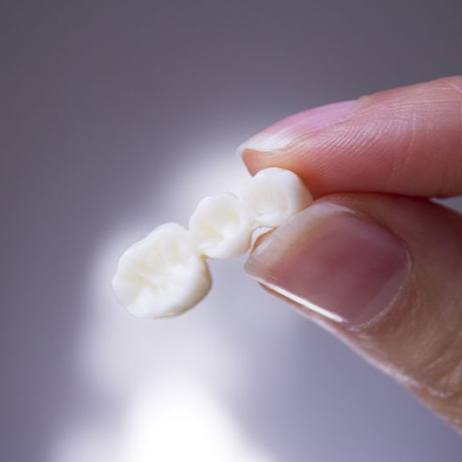
A dental bridge is a prosthetic, also called a restoration, that has a crown on each end. The crowns support one or more artificial teeth between them, which fill in the empty space in your smile. Bridges are often used to replace one to three teeth, though in some cases, they can replace even more. They are typically made of lifelike materials, such as porcelain, that blend in beautifully with the surrounding dentition.
Types of Dental Bridges

There are a few different types of dental bridges. During your consultation, our team will learn about the extent of your tooth loss, the health of your remaining teeth, your personal preferences, and other relevant factors before we recommend the best restoration for your unique circumstances. We might determine that you should get a traditional dental bridge or an implant bridge.
Traditional Dental Bridges
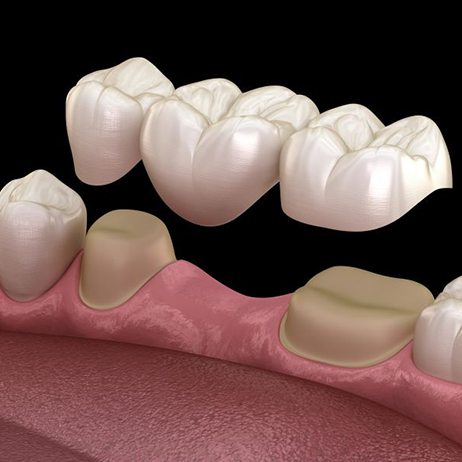
In a traditional dental bridge, the teeth that surround the empty space in the mouth are slightly modified. Then, the bridge’s crowns are securely attached to those teeth. Placing a traditional bridge usually takes just a few appointments, and with proper care, this type of restoration may last for 10 years or longer.
Implant Bridges
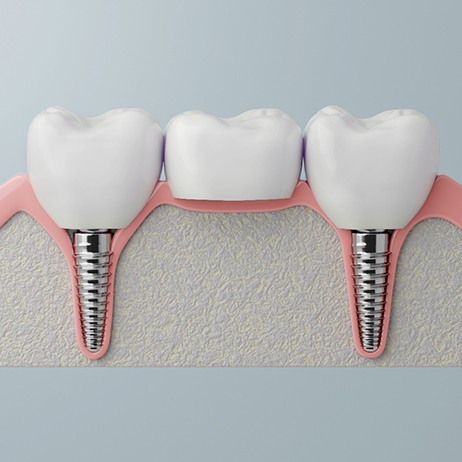
Instead of relying on your natural teeth for support, an implant bridge is anchored directly in the jawbone. After we place small titanium posts in the bone, they are able to serve as extremely strong prosthetic tooth roots. An implant bridge does not require modification of your natural teeth and is superior to a traditional bridge in terms of both strength and longevity. However, the treatment process is longer and more complex.
The Benefits of Getting a Dental Bridge

Some of the biggest advantages offered by dental bridges include:
- Restores Your Smile: Dental bridges fill the gap left by missing teeth, giving you a complete and natural-looking smile. This can help you feel more confident in social and professional settings.
- Improves Chewing Ability: By replacing lost teeth, bridges allow you to eat a wider variety of foods comfortably and safely.
- Maintains Facial Shape: Missing teeth can lead to changes in your facial structure. A dental bridge helps preserve the contours of your face. Implant bridges even support your jawbone, which helps it to keep its natural shape.
- Prevents Teeth Shifting: Filling the spaces prevents neighboring teeth from drifting out of position, which can cause bite problems and might even lead to additional tooth loss.
- Supports Speech Clarity: Bridges help you pronounce words more easily, as missing teeth may affect your speech.