

Sleep Apnea Treatment Greensboro
It’s Time to Start Getting Better Rest
Next Door Dental’s Dr. Thomas Bagley understands the struggle that can come with being unable to get your much-needed rest. With three brothers who have sleep apnea, he decided to pursue further training to help those who experience the same challenging issues. As a Diplomate of the American Board of Dental Sleep Medicine, he has become so skilled and effective at providing sleep apnea treatment that he works alongside his brother, Jack Bagley, PA, at his sleep clinic that is right next to our office in Greensboro – SleepMed Solutions.
Call our office to find out more about the sleep testing and treatments we provide. We’re ready to help you experience a more enjoyable and restful life.
Why Choose Next Door Dental for Sleep Apnea Treatment?
- Custom-Made Oral Appliances for Superior Results
- Dentist is a Diplomate of the American Board of Dental Sleep Medicine
- Literally Next Door to a Full-Service Sleep Clinic
Common Sleep Apnea Symptoms
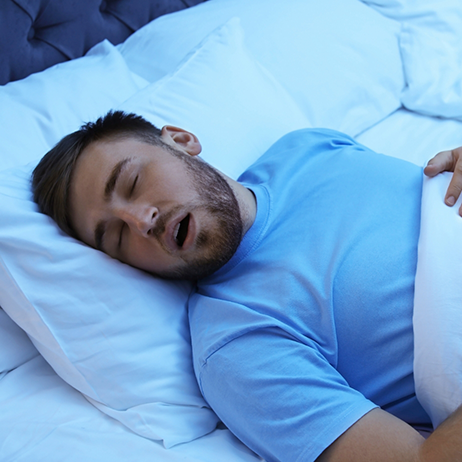
Some of the most common symptoms patients experience include:
- Loud, chronic snoring
- Extreme daytime fatigue
- High blood pressure
- Dry mouth and/or sore throat
- Suddenly waking up during the night gasping for air or choking
- Paused breathing while asleep
- Irritability
- Inability to concentrate
- Frequent morning headaches
- Decreased libido
At-Home Sleep Apnea Testing
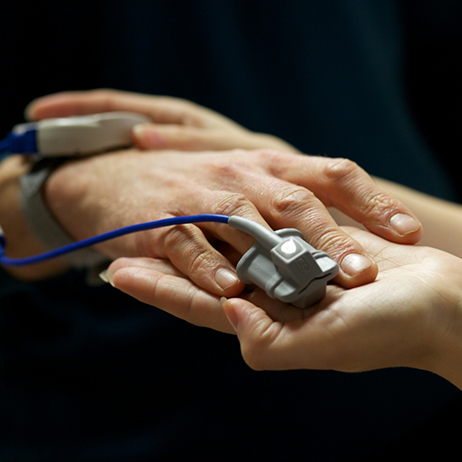
If Dr. Bagley recommends an at-home sleep apnea test, you can expect to receive a WatchPat One device, which is a small, easy-to-use monitor that you dispose of after use. It fits over your wrist and index finger so that it properly monitors your oxygen levels, breathing patterns, body position, and more. Using an app to collect the information, it is easy to set up and allows for faster analysis and follow-up from our team (within 24-48 hours).
In-Office Sleep Apnea Testing
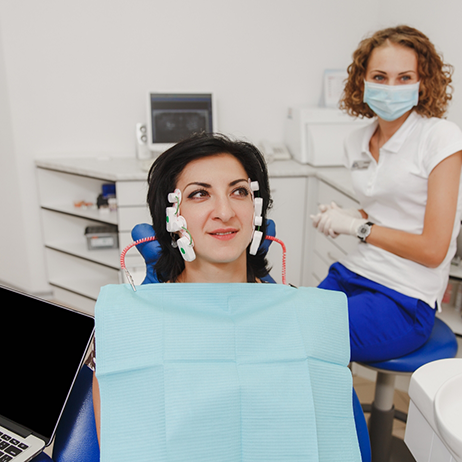
Should you need an in-office sleep test, we can refer you to SleepMed Solutions next door to organize everything for you. Completely non-invasive, you will have small sensors attached to various areas of your body, all of which will track your vitals (audio and visual). Once the test is complete, the readings will allow for a thorough analysis to determine if you have sleep apnea and whether you should move forward with treatment.
Sleep Apnea Treatment Options
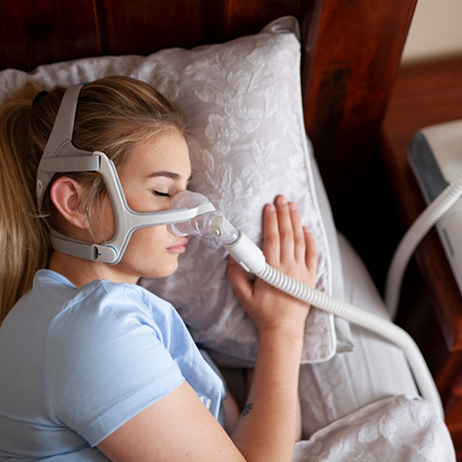
Depending on your unique needs, you can expect Dr. Bagley and his brother, Jack Bagley, PA, to develop a personalized plan that aligns with the kind of care you require to breathe freely. We are pleased to offer two options – CPAP treatment and oral appliance treatment. We’re the only practice in Greensboro that can offer both of these treatments in-house thanks to our unique setup.
CPAP (continuous positive airway pressure) devices are frequently recommended by many sleep doctors because of their proven effectiveness. You will wear a soft nasal mask over your mouth and nose while the machine pushes oxygen through it to keep your airway open.
Alternatively, oral appliance treatment is available as a more customizable form of sleep apnea care. Made specifically to fit your mouth, you will wear it while you’re asleep. Our Prosomnus and Evo appliances keep your jaw in a stable position, eliminating the possibility of your throat muscles collapsing onto your airway and creating an obstruction. As a result, it’s easy to use and can produce immediate results, allowing you to finally get the rest you need.
Interested in Learning More? Take Our Sleep Apnea Quiz!

This quiz takes less than a minute and can reveal a lot when it comes to your risk for sleep apnea. If you find yourself answering “Yes” a lot, then you should probably reach out to us for a screening!
Sleep Apnea FAQs
Does everyone who snores have sleep apnea?
Snoring is a symptom of sleep apnea, so it’s important to have your partner or spouse tell you if you stop breathing at any point throughout the night. However, not everyone who snores has sleep apnea. The same is true for those who have OSA (obstructive sleep apnea) – they may not snore.
If the problem involves the loud noise coming from your mouth and nothing else, it’s unlikely that you have sleep apnea, but if you stop breathing while you’re asleep and experience other common symptoms (i.e., moodiness, forgetfulness, frequent headaches, drowsy driving, etc.), you may need to call our office and inquire about potential treatment after undergoing a sleep study.
Can I diagnose sleep apnea on my own?
Many devices on the market claim they can detect symptoms of sleep apnea. While this might be partly true, they cannot formally diagnose you. Only a trusted and qualified physician can analyze data collected during a sleep study and determine if you experience apnea episodes at night. Whether your study is performed in a lab or at home, a healthcare expert will need to review the information and diagnose you before you can seek effective treatment from our team at Next Door Dental.
Why should I see a dentist for sleep apnea treatment?
Seeing a dentist for your sleep apnea might seem like an odd combination, but the truth is that you will receive exceptional and knowledgeable care because of their experience and training. Dr. Bagley is a Diplomate of the American Board of Dental Sleep Medicine, and his brother, Jack Bagley, PA, runs his sleep clinic – SleepMed Solutions – in the office next door. The two are highly qualified and capable of addressing sleep apnea and its symptoms because of the years of advanced education and hands-on learning they have obtained.
Dentists must know how to navigate the upper respiratory area because of the countless problems that can arise and affect your oral anatomy. As a result, they understand how to help when an obstruction causes breathing issues.
Are there any at-home remedies for sleep apnea?
There are products and techniques you can use at home to improve your sleep apnea symptoms, but they do not replace the benefits of professional treatment provided by a qualified sleep expert. Essential oils, appropriate bedding, lightweight pajamas, and relaxation methods can help create a more peaceful environment that is conducive to successful sleep. Also, avoiding screens at least one hour before bedtime and using blackout curtains to keep out the sun can be helpful.
When it comes to treating your apnea, though, you will need more specific care in the form of a CPAP device or oral appliance. Our team will be happy to discuss your options and how we can help during an initial appointment.
How long do sleep apnea episodes last?
How long your sleep apnea episodes last depends on your specific anatomy. Typically, they last for 10 seconds or longer and can even continue for up to two minutes. Furthermore, episodes can occur anywhere from five to 30 times for each hour you sleep (or attempt to sleep).
To determine how many apneas you experience on an average night, you’ll need to undergo a sleep test. This will also determine which type of sleep apnea you have (obstructive, central, or complex).
To give you a better idea of where you stand, 0-15 apneas an hour is considered “mild,” while 30 or more means your condition is “severe.”
Can a dentist diagnose sleep apnea?
Because it is not an oral health condition, sleep apnea can only be diagnosed by a sleep doctor, but your sleep dentist can certainly help! They can prescreen you for this debilitating condition and even refer you to a reputable sleep testing facility.
Your sleep dentist has treatment options available to help you get a comfortable night’s rest, often without having to rely on a CPAP machine. However, to determine if these solutions are right for you, you’ll need an official diagnosis from a qualified doctor first. Then, once you know which specific type of the condition you have, you can visit your sleep dentist to learn more about comfortable, convenient oral appliance therapy!
Will oral appliance therapy make CPAP therapy unnecessary?
While CPAP therapy is typically the first treatment recommended by most sleep doctors, many patients can’t stand it! In fact, nearly half of those prescribed CPAP don’t even bother powering up their machine as prescribed, rendering it useless.
Continuous positive airway pressure, or CPAP, works by propping your airway open with forced air. To do this, you’ll need to wear an awkward facial mask that holds a tube in place in your mouth while you sleep. Naturally, most people aren’t too thrilled to use it. Thankfully, while not everyone is a good candidate for oral appliance therapy, for those with mild to moderate sleep apnea symptoms, it can be both extremely comfortable and effective.
If you are tired of dealing with CPAP and looking for a less invasive and awkward alternative, schedule a consultation with your sleep dentist today to see if you qualify for oral appliance therapy!
Will my sleep apnea go away if I lose weight?
Although there are no guarantees, weight loss could potentially eliminate or drastically reduce your sleep apnea symptoms. This is because the condition is often worsened by excess weight, especially fat that has accumulated around the neck and airway. Another contributing factor is a condition called “fatty tongue” which can also obstruct breathing.
That being said, it is still possible to have sleep apnea at a healthier weight, so to determine if your symptoms have disappeared, you’ll need to undergo another sleep test. However, it is important to note that either way, losing weight can be extremely beneficial to many other body systems, so even if it doesn’t help with your sleep apnea, it’s still a great idea for helping to reduce your risk of diabetes, cardiovascular problems, and other conditions.