


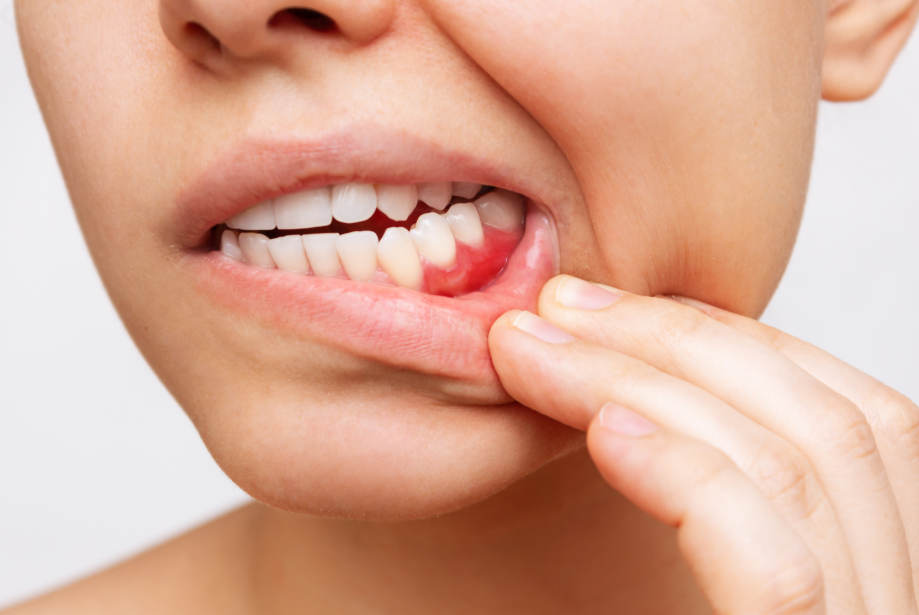
Finding a bump on your gums can be alarming, especially if it seems to appear out of nowhere. The good news is that not every bump is a sign of a serious problem. Some are harmless and may go away on their own, while others could indicate an infection or another oral health issue that needs prompt attention.
Understanding what might be causing the bump can help you determine when it’s time to schedule a dental appointment.
Common Causes of Bumps on the Gums
There are several reasons you might notice a lump or bump on your gums, including:
- Canker sores: These small, painful ulcers can develop on the gums and usually heal within one to two weeks without treatment.
- Gum abscesses: A bacterial infection can cause a swollen, pus-filled bump that may be accompanied by pain, sensitivity, swelling, or a bad taste in your mouth. An abscess should be treated as soon as possible to prevent the infection from spreading.
- Cysts: Sometimes, a fluid-filled sac can form near the root of a tooth, especially if the tooth has been damaged or infected. While cysts may not always be painful, they should be evaluated by a dentist.
- Fibromas: Chronic irritation from dentures, braces, or accidentally biting your cheek can lead to a firm, noncancerous bump called a fibroma.
- Bone growths: Some people naturally develop harmless bony bumps, called mandibular or palatal tori, inside their mouths. These typically don’t require treatment unless they interfere with eating, speaking, or wearing a dental appliance.
When Should You Be Concerned?
While many gum bumps are minor, certain symptoms shouldn’t be ignored. Schedule an appointment if you notice:
- Severe or worsening pain
- Swelling that spreads to your face or jaw
- Pus or drainage
- Bleeding that doesn’t stop
- A bump that doesn’t improve after two weeks
- Difficulty swallowing or opening your mouth
- Fever or other signs of infection
Even if the bump isn’t painful, it’s still worth having it examined if it lingers. Early diagnosis can help prevent more serious complications.
Can You Treat a Gum Bump at Home?
Home care may provide temporary relief, but it isn’t a substitute for professional care if the bump is caused by an infection or another underlying condition.
In the meantime, you can:
- Rinse with warm salt water several times a day.
- Brush and floss gently to keep the area clean.
- Avoid irritating foods that are spicy, crunchy, or extremely hot.
- Take an over-the-counter pain reliever if needed and as directed.
Avoid trying to pop, squeeze, or drain the bump yourself. Doing so can worsen the problem or spread bacteria.
Don’t Wait to Have It Checked
It’s impossible to know exactly what’s causing a bump on your gums without a professional examination. Whether it’s something as simple as a canker sore or something that requires treatment, getting an accurate diagnosis is the best way to protect your oral health and prevent small issues from becoming larger ones.
If you notice a bump on your gums that won’t go away or is causing discomfort, don’t ignore it. A prompt evaluation can provide peace of mind and help you get the treatment you need.
About the Practice
At Next Door Dental, Dr. Bagley and Dr. Garcia are committed to helping patients maintain healthy smiles through preventive, restorative, and emergency dental care. Whether you’re experiencing a painful dental emergency or have questions about changes in your oral health, the practice provides compassionate, patient-centered treatment in a comfortable environment.
Call us at (336) 854-5850 or schedule your appointment online.